
What Happens if Your Car Was a Write-Off in Alberta?

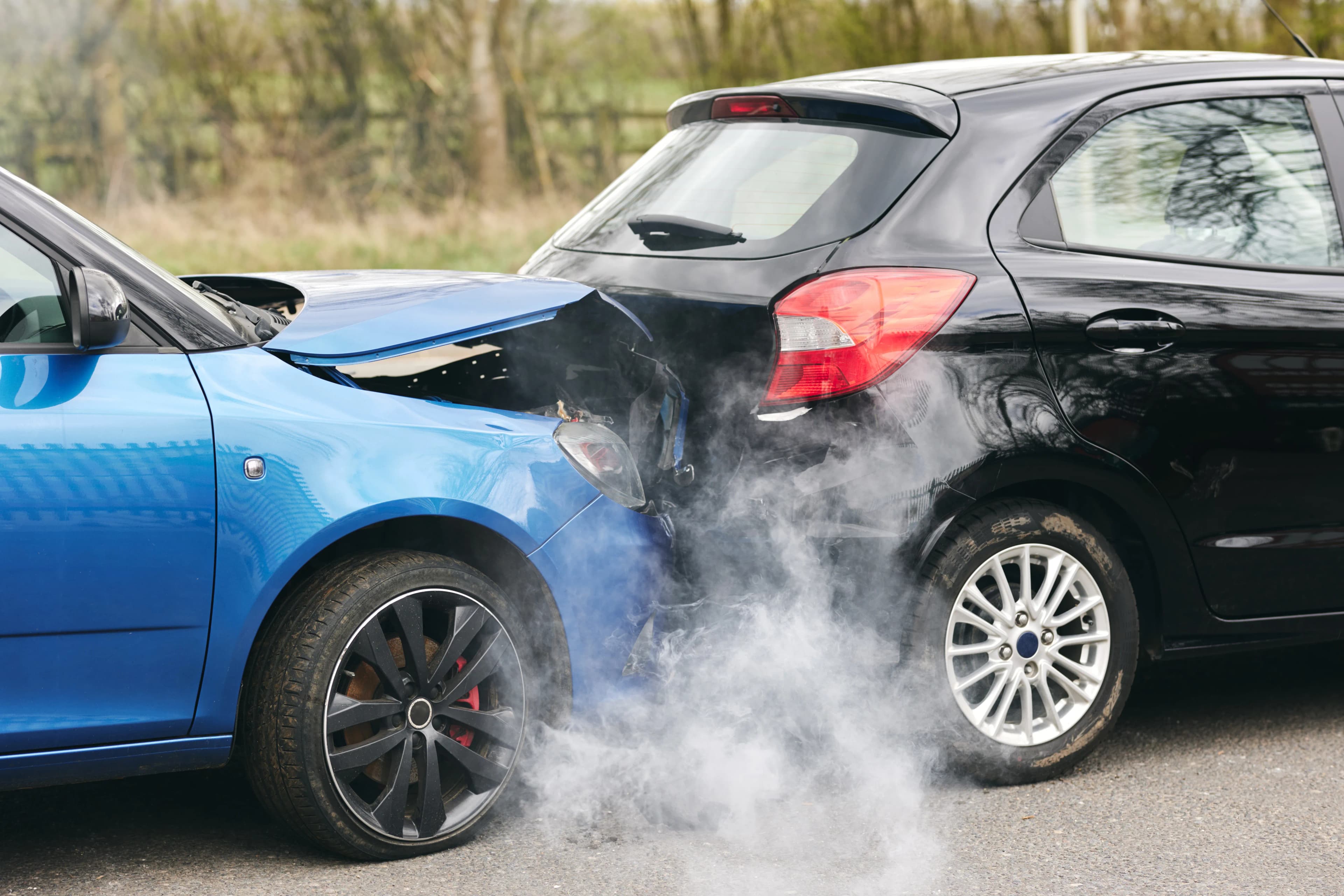
After a serious car accident, you may get an unexpected call from your insurance adjuster: your car is a **total loss**—also called a "write-off." That means repairing the damage costs more than the vehicle's actual cash value (ACV).
For many Albertans, that news raises questions: *How much will I get paid? Who decides what my car is worth? What if I still owe money on my loan?*
Under Alberta's **Direct Compensation for Property Damage (DCPD)** system, your own insurer now handles your vehicle damage claim, even when someone else caused the crash. But total-loss claims can still lead to undervaluation, hidden fees, and frustrating delays.
As Alberta personal injury and insurance lawyers who once defended insurers, we understand how write-off assessments work—and how to make sure you receive **every dollar you're entitled to**.
What Does "Write-Off" Mean in Alberta?
A vehicle is considered a **write-off (total loss)** when repairing it would cost close to—or more than—its **actual cash value (ACV)** right before the crash.
How Insurers Decide Your Vehicle's Value
Insurance companies use **actual cash value (ACV)** to determine payouts. ACV is your car's **market value immediately before the accident**—not the original purchase price.
Steps to Take When Your Car Is Declared a Write-Off
Taking the right steps after your car is declared a write-off is crucial to ensure you receive fair compensation:
Request the Valuation Report
Ask your insurer for the written appraisal used to calculate ACV. Review it carefully.
Research Market Value
Look up comparable vehicles (same make, model, year, mileage) in your area.
Provide Evidence of Upgrades
Submit receipts for new tires, recent servicing, or after-market improvements.
Check for Taxes and Fees
Ensure GST and plate credits are included in the final offer.
Ask About Loan or Lease Balances
Confirm who will receive payment—the bank, leasing company, or you directly.
Negotiate the Settlement
If your research shows higher value, present listings or expert appraisals to challenge the insurer's amount.
Consult an Alberta Insurance Lawyer if Needed
If the insurer undervalues your vehicle or refuses fair payment, legal help can ensure compliance with the *Insurance Act* and policy terms.
How a Lawyer Helps After a Vehicle Write-Off
Experienced insurance lawyers play a crucial role in ensuring you receive fair compensation for a write-off:
Evaluating the Insurer's Offer
Determining whether the payout reflects real market value.
Negotiating a Fair Settlement
Using independent appraisals and comparable listings.
Resolving DCPD Fault Disputes
Ensuring fault percentages are accurate to maximize payout.
Protecting Loaned or Leased Vehicles
Coordinating between lender, insurer, and client.
Handling Total-Loss and Injury Claims Together
Ensuring both property and injury compensation are optimized.

Frequently Asked Questions
Conclusion
Finding out your vehicle is a write-off can be frustrating, especially if you rely on it for work or family life. But under Alberta's DCPD system, you still have rights—and with the right strategy, you can secure a fair settlement that reflects your car's true value.
A write-off occurs when repair costs exceed roughly 75–80% of the car's market value
Alberta's DCPD system means your own insurer handles the payout, even if you weren't at fault
Always review the valuation report, verify comparable prices, and challenge low offers
If you still owe on a loan, consider GAP coverage to protect against shortfalls
Legal guidance ensures you recover the full amount you deserve