
Speeding-Related Accidents in Alberta: What Victims Need to Know

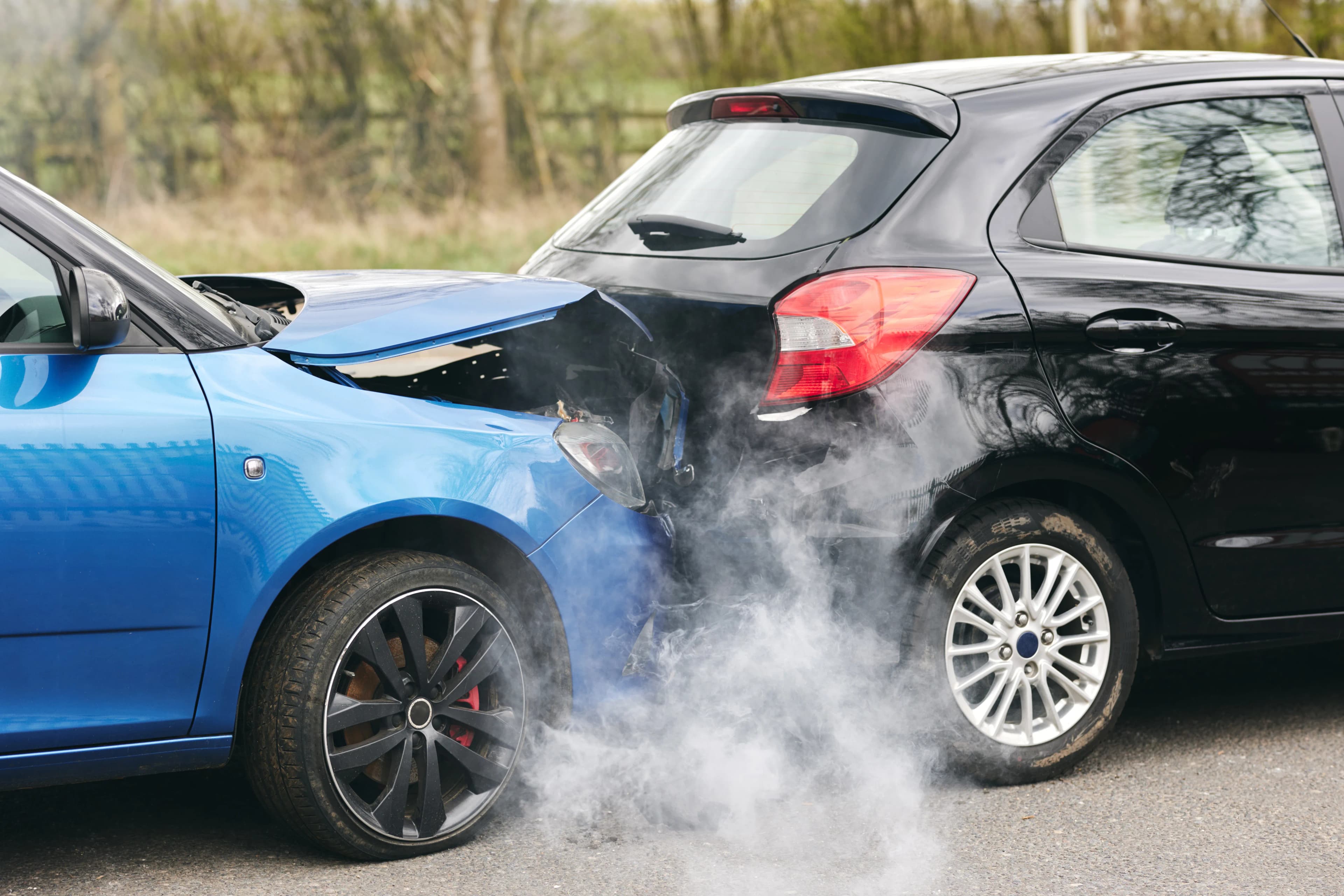
Speeding is one of the most common—and dangerous—causes of car accidents in Alberta. When drivers exceed speed limits or drive too fast for conditions, they dramatically increase the risk of severe collisions, leading to life-changing injuries or fatalities. The force of impact multiplies at higher speeds, making even moderate crashes potentially catastrophic.
For victims of speeding-related crashes, the aftermath can be overwhelming. Insurers may dispute fault, downplay injuries, or blame weather conditions. Understanding Alberta's laws, your rights as a victim, and the difference between civil liability and traffic violations is crucial for recovery.
As Alberta personal injury lawyers who once defended insurers, we understand how these cases are handled—and how to fight for fair compensation.
This guide explains:
This guide explains:
What Counts as Personal Injury After a Speeding Accident?
Personal injury means any physical or psychological harm caused by another driver's negligence. Speeding dramatically increases collision force, often leading to severe injuries that can permanently alter your life.
Common Speeding-Related Accident Injuries in Alberta:
Alberta's Laws on Speeding
In Alberta, speeding is considered a **traffic violation** under the Traffic Safety Act. Key rules include:
Posted Speed Limits
Drivers must obey speed limits on highways, city roads, and residential areas.
Too Fast for Conditions
Even if driving under the limit, drivers can be liable if they fail to adjust speed for snow, ice, fog, or construction zones.
Fines & Demerits
Speeding tickets carry financial penalties and demerit points, which can affect insurance rates.
Civil Liability
If speeding causes an accident, the driver can be held civilly responsible for injuries, regardless of whether they were ticketed.
Steps to Take Immediately After a Speeding Accident in Alberta
Taking immediate action after a speeding accident is crucial to protect both your health and your legal rights:
Call 911
Always report speeding-related crashes so police can investigate and document the scene. Their report may confirm excessive speed as a factor.
Get Medical Care Right Away
Even if you feel okay, see a doctor immediately. High-speed collisions often cause hidden injuries like concussions or internal bleeding.
Document the Scene
Take photos of skid marks, debris, vehicle damage, and speed-limit signs nearby. This helps prove speed was a contributing factor.
Collect Witness Statements
Ask witnesses if they saw the other driver speeding, tailgating, or driving aggressively. Independent accounts are powerful evidence.
Request the Police Report
Obtain a copy once it's available. Reports often include speed estimates, citations, and officer observations.
Notify Your Insurer
Report the accident promptly, but avoid recorded statements until you have legal advice. Insurers may try to use your words against you.
Keep a Recovery Journal
Track symptoms, treatment, and how injuries affect your work and daily life. This record can increase settlement value.
Contact an Alberta Injury Lawyer Early
A lawyer ensures evidence like accident reconstruction reports or black box data (from newer vehicles) is preserved. They also handle negotiations with insurers.
How a Lawyer Helps With Speeding Accident Claims
Speeding accident claims require strong evidence and expert analysis to prove negligence and secure fair compensation. Here's how we help:
Proving Negligence
Using police reports, witness statements, and accident reconstruction experts to prove negligence.
Accessing Technical Evidence
Retrieving vehicle black box data or dashcam footage showing speed.
Negotiating Settlements
Ensuring medical expenses, lost wages, and long-term care are fully covered.
Countering Contributory Negligence Claims
Protecting victims from being unfairly blamed.
Trial Preparation
Demonstrating readiness to go to court often leads to stronger settlements.

Frequently Asked Questions
Conclusion
Speeding is one of the deadliest driving behaviors in Alberta, and victims of these crashes often face catastrophic injuries and long recoveries. While the law is on your side, insurers are rarely eager to pay fairly without a fight.
Speeding is negligence under Alberta law, even without a ticket
Insurers often dispute or minimize claims in speeding accidents
Strong evidence, including police reports and expert analysis, is essential
An experienced Alberta injury lawyer can protect your rights and secure full compensation