
Rear-End Collisions in Alberta: Common Injuries & Settlements

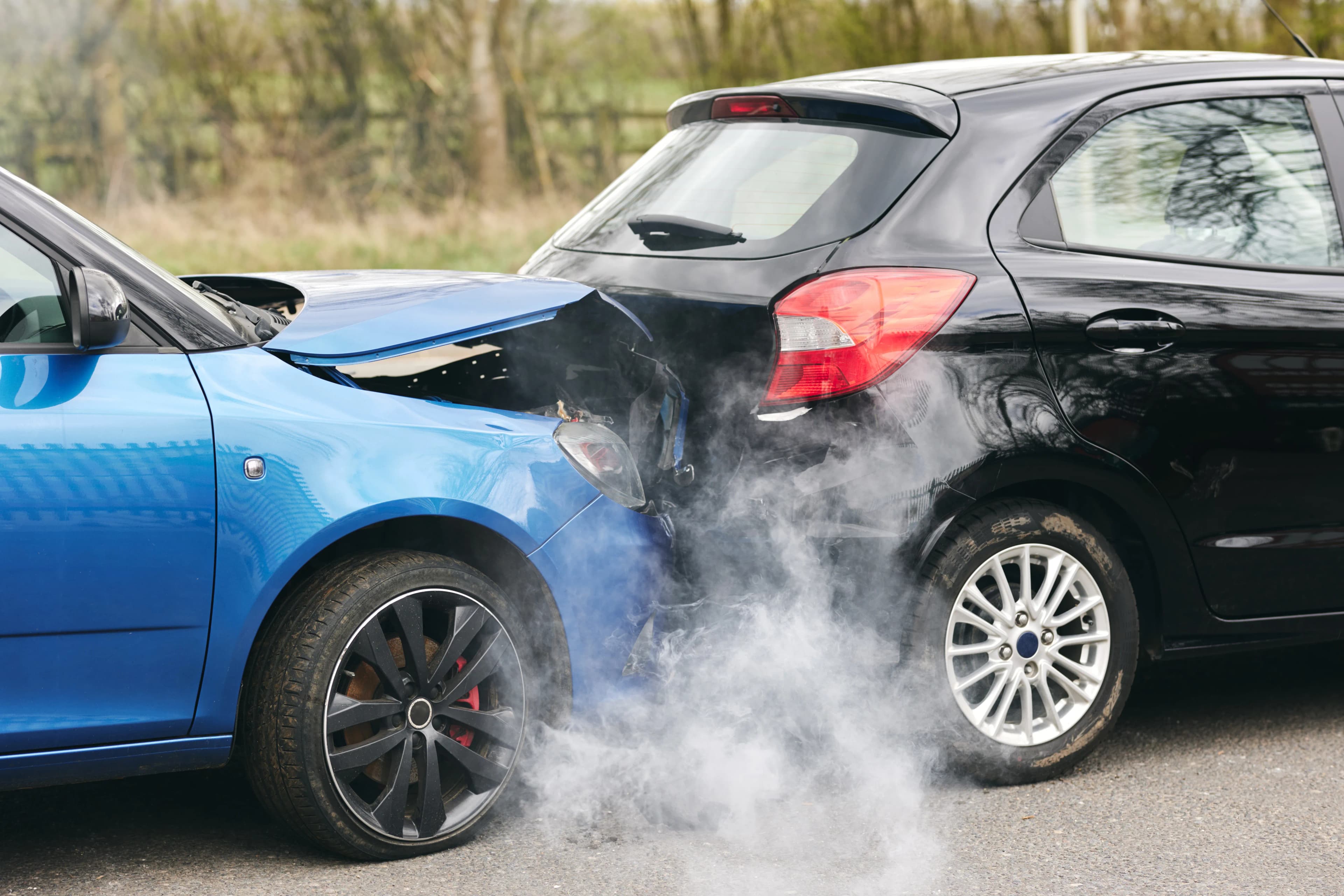
Rear-end collisions are among the most common types of car accidents in Alberta — and they're often dismissed as "minor" by insurance adjusters. But even low-speed impacts can cause serious, long-term injuries that require months or years of treatment.
Many victims accept quick, low settlements because they don't realize the full extent of their injuries until weeks or months later. By then, insurers have closed the file and moved on.
As Alberta personal injury lawyers who once defended insurers, we know exactly how adjusters limit these claims — and how to fight back for fair compensation. This guide explains:
This guide explains:
What Counts as Personal Injury After a Rear-End Collision?
Personal injury means any physical or psychological harm caused by another driver's negligence. Even "minor" rear-end collisions can cause serious injuries that worsen over time.
Most Common Injuries in Rear-End Collisions:
Common Insurance Challenges in Rear-End Collision Claims
Insurers frequently undervalue rear-end collision cases. Common tactics include:
Misclassifying Injuries as Minor
Trying to limit compensation under the Minor Injury Cap (just over $6,000 in 2025).
Delaying Treatment Coverage
Hoping you give up or settle early.
Blaming Pre-Existing Conditions
Arguing your pain was not caused by the crash.
Lowball Offers
Offering a quick settlement that doesn't reflect medical or income losses.
Steps to Take Immediately After a Rear-End Collision in Alberta
Taking immediate action after a rear-end collision can protect both your health and your legal rights:
Call 911 if Anyone Is Injured
So emergency responders can provide care and create an official report.
Move to Safety
By getting your vehicle out of traffic and turning on hazard lights.
Seek Medical Attention Immediately
Since whiplash, concussions, and back injuries may not show up right away.
Document the Scene Thoroughly
With photos of vehicles, road conditions, and any visible injuries.
Exchange and Collect Information
Including driver details, insurance, and witness contacts.
File a Police Report
If there are injuries or over $2,000 in damage and get a copy for your records.
Notify Your Insurer Promptly
But avoid recorded statements or signing documents until you have legal advice.
Keep a Recovery Journal
Tracking symptoms, medical visits, missed work, and daily limitations.
Contact an Alberta Car Accident Lawyer Early
To protect your rights and ensure insurers don't minimize your claim.
How a Lawyer Helps With Rear-End Collision Claims
Rear-end collision claims require careful documentation and legal expertise to secure fair compensation. Here's how we help:
Proper Valuation of Injuries
Ensuring soft tissue or spinal injuries aren't capped unfairly.
Medical Expert Reports
Demonstrating the long-term effects of whiplash or concussions.
Negotiating Fair Settlements
Covering treatment, income loss, future care, and pain & suffering.
Preparing Every Case for Trial
Insurers often offer more when they know you're trial-ready.
Protecting You From Adjusters
Handling calls and paperwork so you can recover.
Case Example
One Alberta client was told her rear-end injuries were 'minor' and capped at $6,000. After gathering medical reports and consulting specialists, we showed her injuries included chronic pain and psychological trauma. Her case settled for over **$200,000**.

Frequently Asked Questions
Conclusion
Rear-end collisions may be common, but their impact is anything but minor. If you've been hit from behind, the right steps can protect your health and your claim:
Get immediate medical care
Document the accident
Report it properly
Contact an experienced Alberta car accident lawyer early