
Common Defenses in Rideshare and Transit Cases

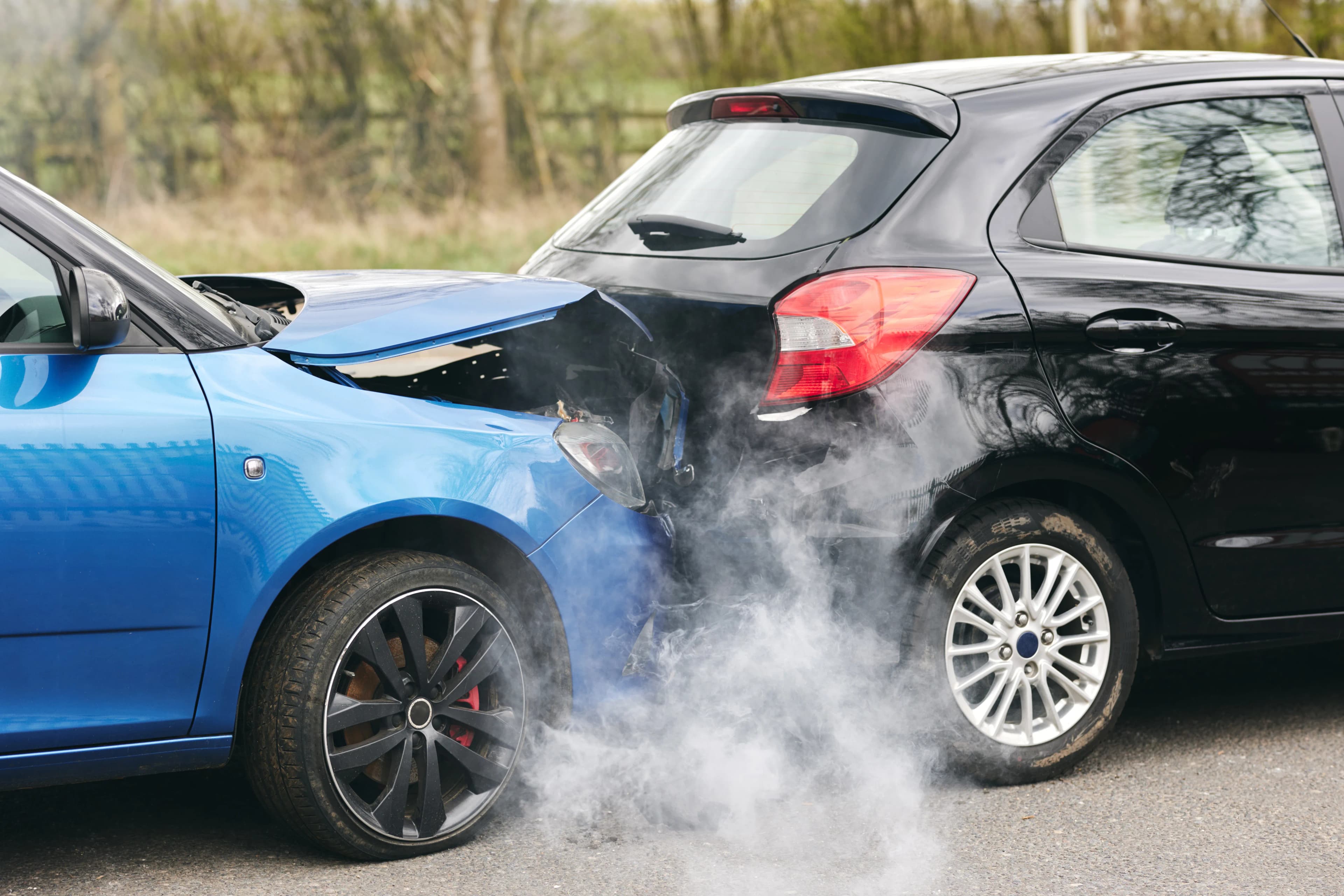
When someone is injured in an Uber, Lyft, or public-transit accident, insurers rarely pay without a fight.
Both rideshare platforms and municipal transit authorities use experienced legal teams to reduce or deny claims. They often rely on well-developed legal defenses designed to shift blame, minimize fault, or question the extent of injury.
As Alberta injury lawyers who routinely handle rideshare and transit-related claims, we've seen every tactic insurers and municipalities use to avoid accountability.
This guide explains the most common defenses, what they mean, and how to counter them with strong evidence.
This guide covers:
Why Rideshare and Transit Defenses Are Different
Rideshare and public-transit cases aren't ordinary car-accident claims. They involve corporate insurers, government entities, and multiple overlapping policies. These defendants have more resources and legal protection than individual drivers.
Commonly, they argue that:
Common Legal Defenses in Rideshare and Transit Cases
Understanding the specific defenses used in rideshare and transit cases is crucial for building a strong claim:
The 'Sudden Stop' or 'Normal Operation' Defense
Transit agencies in Alberta frequently invoke the sudden stop rule. They claim that a passenger's injury from braking or swerving resulted from ordinary vehicle motion — not negligence. To succeed, you must prove that the stop or movement was unusual, excessive, or unsafe, such as braking hard to avoid a preventable hazard or speeding through a light. Evidence like onboard video, GPS data, and witness statements often disproves this defense.
Contributory Negligence (Shared Fault)
In Alberta, insurers can reduce compensation if they prove the injured party was partly responsible for their injuries. Examples include: a rideshare passenger not wearing a seatbelt, a pedestrian stepping into traffic near a bus stop, or a driver braking suddenly ahead of a transit vehicle. Alberta's comparative-negligence system reduces compensation by the percentage of fault but never eliminates it entirely. Example: If damages total $200,000 and you're found 25% responsible, you still receive $150,000.
The 'Minor Injury' Defense
Insurers often argue an injury falls under Alberta's Minor Injury Regulation, which limits pain-and-suffering damages for soft-tissue injuries. They may downplay symptoms or rely on biased medical assessments to classify injuries as 'minor.' In reality, many whiplash or concussion cases involve chronic pain, psychological trauma, or functional limitations that take them outside the cap. Independent medical experts and thorough documentation can defeat this defense.
Causation Challenges ('You Were Already Injured')
A frequent insurer tactic is claiming your injuries existed before the crash or stem from another cause. They may point to old medical records or everyday activities to argue that the accident didn't cause your condition. To counter this, your lawyer will: obtain medical expert opinions linking current symptoms to the crash, use witness and family statements confirming changes since the incident, and present diagnostic imaging showing new trauma or aggravation of pre-existing issues.
The 'Independent Contractor' Defense (Rideshare Cases)
Uber and Lyft frequently argue that their drivers are independent contractors, not employees. They use this to limit the company's direct liability — claiming they only provide an app, not transportation services. In practice, Alberta courts still hold rideshare companies responsible for maintaining commercial insurance and ensuring public safety during active trips. A well-built claim can prove operational negligence or inadequate oversight, forcing coverage through Uber or Lyft's policy.
The 'Unavoidable Accident' or 'Act of God' Defense
Municipal defendants sometimes argue that extreme weather, sudden mechanical failure, or another unavoidable event caused the collision — not negligence. However, Alberta law requires professional drivers to adjust for foreseeable risks. If road conditions were icy, visibility was low, or a mechanical issue was known but ignored, the city or carrier can still be held liable.
Key point: These defenses are designed to shift responsibility away from the defendant. With proper evidence and legal strategy, each can be overcome.
Steps to Protect Your Claim Early
Following these steps immediately after an accident can significantly strengthen your case and protect your rights to compensation:
Seek medical attention
Seek medical attention immediately after the crash.
Report the incident
Report the incident to police, the bus company, or Uber/Lyft support.
Take photos
Take photos of vehicles, injuries, and the scene.
Collect contact information
Collect contact information for witnesses.
Avoid giving recorded statements
Avoid giving recorded statements to insurers without advice.
Contact an Alberta injury lawyer
Contact an Alberta injury lawyer to preserve evidence and manage deadlines.
How a Lawyer Overcomes These Defenses
The best defense against insurer tactics is timely, detailed evidence and legal experience. We:
Obtain Evidence Early
Obtain video, GPS, and driver data early before it's deleted or lost.
File Claims Correctly
File municipal notice and insurance claims correctly to avoid procedural defenses.
Coordinate Medical Assessments
Coordinate independent medical assessments to counter 'minor injury' defenses.
Build Strong Chronology
Build a chronology linking the accident to your injuries to overcome causation challenges.
Challenge Insurer Experts
Challenge insurer experts through cross-examination and rebuttal reports.

Frequently Asked Questions
Conclusion
Rideshare and transit insurers rely on sophisticated defenses to minimize payouts — from blaming passengers to hiding behind technical rules. The key to success is acting fast, preserving evidence, and working with a lawyer who understands Alberta's municipal and insurance systems.
Get medical attention immediately
Report and document the incident
Contact an Alberta injury lawyer as soon as possible
Still have questions? Contact us today — your consultation is free.
Contact us today for a free consultation.