
Common Causes of Bus Accidents in Alberta

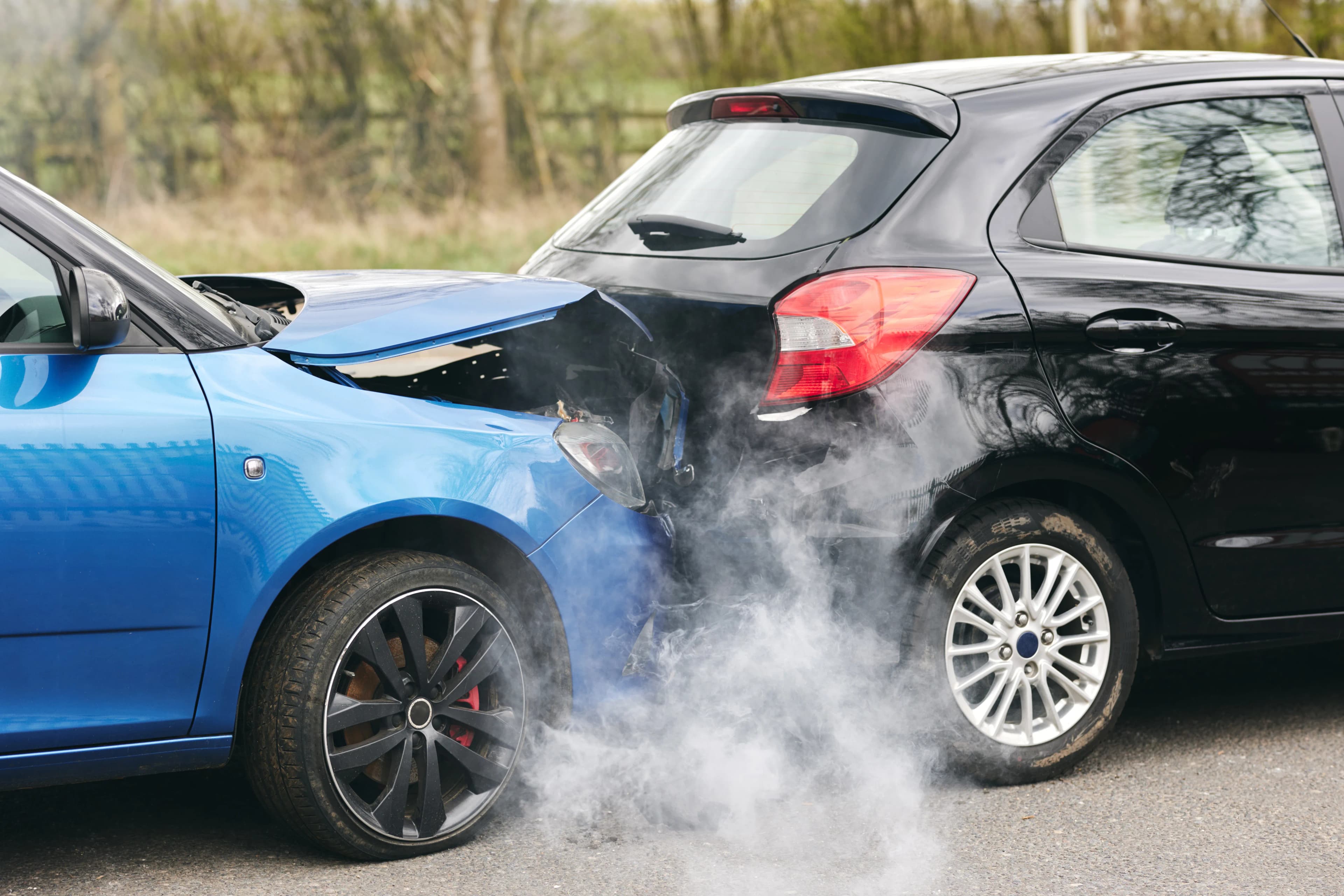
Buses are a vital part of Alberta's transportation system — moving thousands of people every day through cities like Calgary, Edmonton, and Red Deer.
While transit is generally safe, serious bus accidents still occur every year, often leaving passengers, pedestrians, and other motorists with significant injuries.
Unlike private-vehicle crashes, bus accidents are governed by unique liability and insurance rules — especially when a municipality operates the vehicle.
As Alberta injury lawyers who regularly handle bus and municipal-liability cases, we've seen firsthand the most common causes of bus accidents — and how they can be prevented. This guide explains what typically leads to these collisions, who can be held responsible, and what victims should do next.
This guide covers:
Driver Error and Negligence
The leading cause of Alberta bus accidents is human error. Even trained operators make mistakes, particularly under pressure, fatigue, or poor conditions.
Common examples include:
Common Causes of Bus Accidents
Bus accidents can result from multiple factors. Understanding these causes helps identify liability:
Poor Vehicle Maintenance
Buses are heavy, high-mileage vehicles that require constant inspection and servicing. When maintenance is delayed or poorly performed, critical systems can fail — leading to collisions or onboard injuries. Frequent mechanical issues include: brake failure or imbalance, worn tires causing reduced traction or blowouts, faulty steering or suspension systems, malfunctioning lights or signals, and defective doors or steps causing passenger falls. Both municipalities and private contractors can be held responsible for negligent maintenance or failing to remove unsafe vehicles from service.
Dangerous Road and Weather Conditions
Alberta's harsh winters and unpredictable weather contribute to many bus accidents each year. Icy roads, poor visibility, and snow buildup make braking and turning more difficult — but these conditions don't excuse unsafe operation. Drivers must still: reduce speed, increase following distances, use lights appropriately, and avoid abrupt braking or lane changes. If a municipality or contractor fails to sand, salt, or clear roads and bus stops, they can also share liability for resulting injuries.
Other Motorists' Negligence
Not every bus accident is the bus driver's fault. Many occur because another motorist acts negligently — cutting off a bus, speeding through an intersection, or rear-ending a stopped transit vehicle. When another driver causes the crash, their personal insurer is primarily responsible for damages. The city's or company's commercial insurer may still provide coverage for passengers or pedestrians if the at-fault driver is uninsured or unidentified.
Unsafe Boarding and Exiting Conditions
Injuries don't only occur while the bus is moving. Passengers often get hurt while boarding or exiting due to unsafe surfaces or inadequate supervision. Common scenarios include: icy or uneven steps without proper sanding, driver pulling away too soon, bus stop hazards such as snowbanks or broken pavement, and mechanical door malfunctions trapping passengers. Municipalities are required to maintain bus stops and vehicles in a reasonably safe condition. Failure to do so may amount to negligence.
Inadequate Driver Training or Supervision
Commercial and municipal carriers must ensure that drivers are properly licensed and trained for passenger transport. Accidents may occur when: drivers aren't properly trained on route systems or large-vehicle handling, supervisors fail to monitor driver conduct or safety records, and employers ignore prior complaints or safety violations. In Alberta, a municipality or contractor can be vicariously liable for the negligence of its employees — meaning you can sue the city or company even if the driver made the error.
Mechanical Defects or Manufacturer Fault
Sometimes, a bus accident isn't caused by driver or city negligence but by a defective vehicle part — such as faulty brakes, steering, or electrical components. In those cases, you may have a claim against: the bus manufacturer for design defects, a maintenance contractor for improper repairs, and the component supplier for defective parts. Product-liability claims often proceed alongside negligence claims, and a lawyer can identify every responsible party to maximize recovery.
Key point: Multiple parties can share liability in bus accidents, making it essential to identify all responsible parties to maximize compensation.
Steps to Take After a Bus Accident
Following these steps immediately after an accident can significantly strengthen your case and protect your rights to compensation.
Call 911
Call 911 and ensure police attend the scene.
Seek Medical Attention
Seek medical attention immediately.
Report the Incident
Report the incident to the driver or transit authority.
Take Photos
Take photos of the scene, bus number, and any visible injuries.
Collect Contact Details
Collect contact details of witnesses and other passengers.
Keep All Receipts
Keep all receipts for medical and travel costs.
Contact an Alberta Personal-Injury Lawyer
Contact an Alberta personal-injury lawyer promptly to preserve evidence and meet notice deadlines.
How a Lawyer Can Help
Bus-accident claims often involve multiple defendants, government procedures, and strict notice requirements. A lawyer ensures you:
File Written Notice to Municipality
File written notice to the municipality within 21 days.
Identify All Responsible Parties
Identify all responsible parties and insurers.
Obtain Driver and Vehicle Records
Obtain driver and vehicle records.
Preserve Camera and GPS Data
Preserve camera and GPS data before it's lost.
Calculate Long-Term Damages
Accurately calculate long-term damages.
Negotiate or Litigate
Negotiate or litigate for a fair settlement.

Frequently Asked Questions
Conclusion
Bus accidents in Alberta can happen for many reasons — driver negligence, poor maintenance, road hazards, or unsafe weather — but victims should never face the aftermath alone. Municipal liability rules and insurance procedures can make these claims challenging, yet the right evidence and legal guidance can lead to a strong recovery.
Get immediate medical care
Document the scene and witnesses
File your notice to the city within 21 days
Speak to a lawyer experienced in Alberta bus-accident claims
Still have questions? Contact us today — your consultation is free.
We'll file your municipal notice and start your claim immediately. Contact us today for a free consultation.