
Bicycle vs. Car Accidents — Who's at Fault?

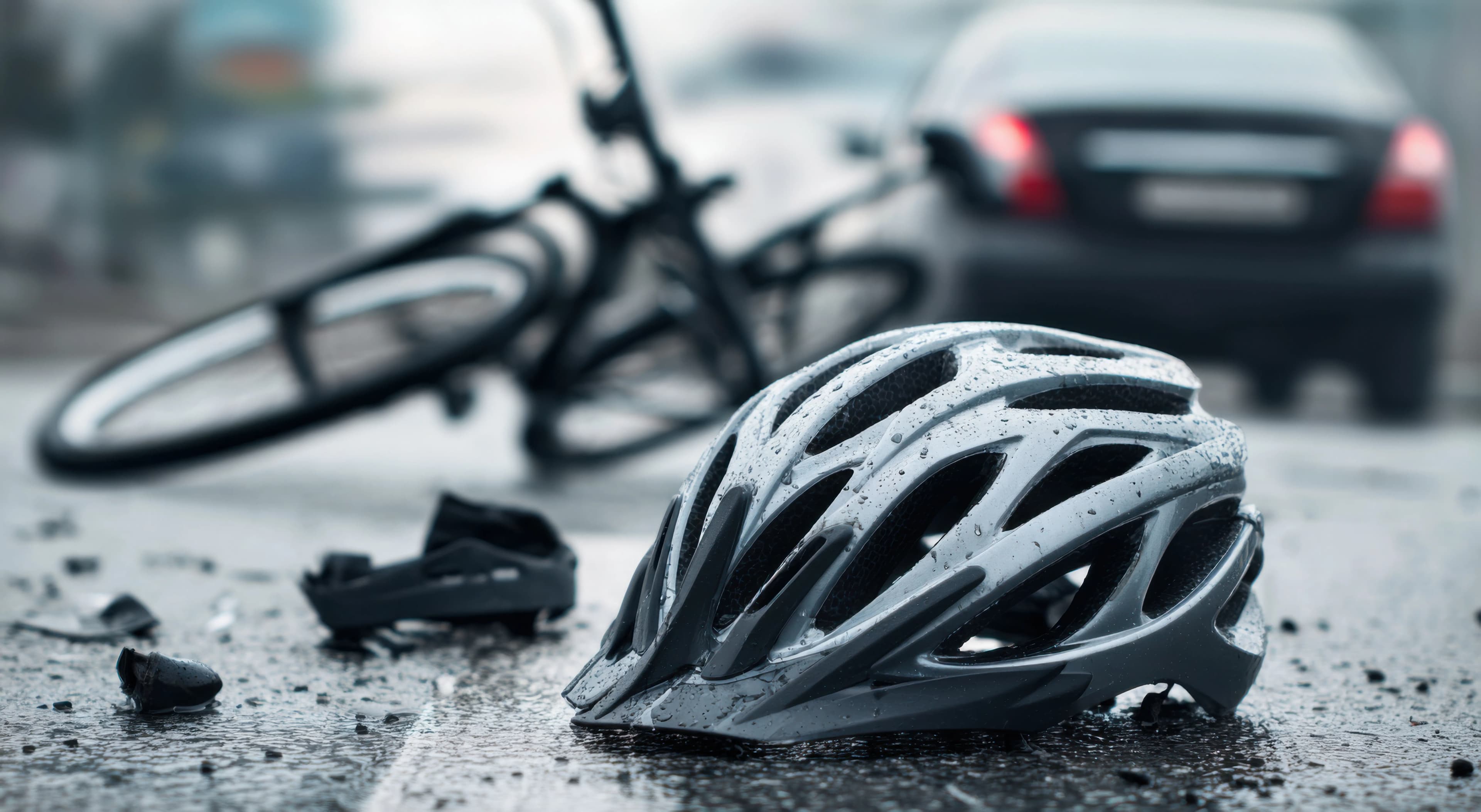
Cyclists and drivers share Alberta's roads every day — but when collisions happen, the consequences for cyclists can be devastating. A split second of inattention from a motorist can cause broken bones, spinal trauma, or head injuries that change a rider's life forever.
After a crash, one of the first questions is: "Who's at fault — the cyclist or the driver?"
The answer depends on how the accident happened and whether each party followed the rules of the road. As Alberta personal injury lawyers who used to defend insurers, we've seen how fault is determined in bike-car collisions — and how insurance companies use blame arguments to reduce payouts.
This guide explains how fault works in Alberta bicycle accidents, what evidence matters most, and how injured cyclists can still recover compensation even if they share part of the blame.
This guide covers:
Understanding Cyclist and Driver Responsibilities
Under Alberta's Traffic Safety Act, cyclists have the same rights and responsibilities as drivers. Both must obey traffic signals, yield rules, and right-of-way laws.
Responsibilities:
Common Causes of Bicycle vs. Car Accidents
Most collisions are preventable and caused by driver inattention or misunderstanding of cycling rules. Common causes include:
Failure to Yield
Drivers turning across bike lanes or pulling out of driveways without checking for cyclists.
"Dooring" Incidents
Drivers or passengers opening vehicle doors into cyclists' paths.
Unsafe Passing
Vehicles overtaking too closely or forcing cyclists off the road.
Distracted or Impaired Driving
Cell phone use, fatigue, or alcohol involvement.
Poor Visibility
Failure to use lights or reflective gear, especially at dusk or dawn.
Road Hazards
Potholes or debris forcing cyclists into traffic lanes.
Key point: Even when a cyclist makes a small mistake, it rarely compares to the negligence of a driver operating a two-tonne vehicle.
Steps to Take Immediately After a Bicycle Accident
Following these steps immediately after a bicycle accident can significantly strengthen your case and protect your rights to compensation.
Call 911
Call 911 and request police and emergency medical response.
Seek Medical Attention Right Away
Even if injuries seem minor.
Photograph the Scene
Photograph the scene: vehicle position, your bike, road markings, and debris.
Collect Driver Information
Get name, plate, insurance, and employer if applicable.
Gather Witness Contact Details
Collect names, phone numbers, and addresses of all witnesses.
Request the Police Report Number
Obtain the report number for future reference.
Do Not Discuss Fault
Do not discuss fault or provide recorded statements to insurers.
Contact an Alberta Bicycle Accident Lawyer Immediately
Contact an Alberta bicycle accident lawyer immediately — evidence like dash-cam or CCTV footage disappears quickly.
How a Lawyer Determines and Proves Fault
A strong legal team investigates the full picture — not just the police report. We:
Review Intersection or Dash-Cam Footage
Review intersection or dash-cam footage to prove driver error.
Retrieve Vehicle Black Box (EDR) Data
Retrieve vehicle black box (EDR) data for speed and braking records.
Interview Witnesses and First Responders
Gathering independent evidence from witnesses and emergency personnel.
Consult Accident Reconstruction Experts
Consult accident reconstruction experts to calculate reaction times.
Compare Against Alberta's Cycling Regulations
Compare the incident against Alberta's cycling regulations to confirm liability.
Handle All Communication and Negotiation
Handle all communication and negotiation with insurers.

Frequently Asked Questions
Key takeaways
Bicycle accidents with cars are rarely simple — and insurers often try to shift blame onto cyclists. But Alberta law protects your right to ride safely, and even if fault is shared, you can still recover fair compensation.
Drivers have a greater duty of care and are often primarily at fault in bicycle-car collisions.
Alberta's Contributory Negligence Act allows partial recovery even when both parties share fault.
Most bicycle injuries exceed the minor injury cap threshold.
Insurance companies often use cyclist behaviour to deny or reduce claims, requiring strong legal representation.
An experienced Alberta bicycle-accident lawyer can prove fault, counter insurer tactics, and secure full compensation.
If you've been injured while cycling:
Get medical attention right away, document everything, avoid talking to insurers, and contact a lawyer early to protect your claim. With strong representation, you can prove fault, hold negligent drivers accountable, and secure the compensation you deserve.