
Bicycle Helmet Laws and Injury Claims

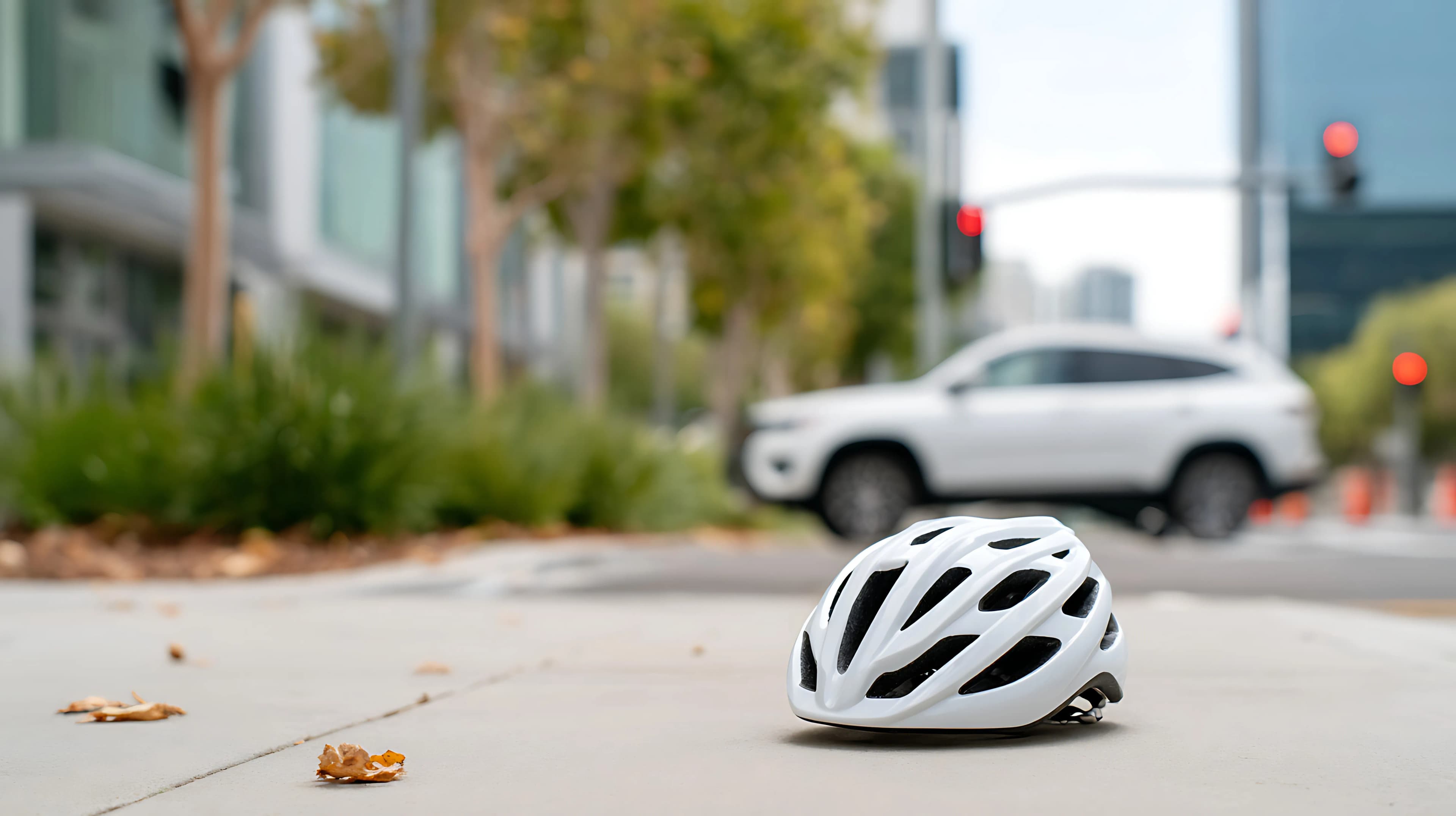
Cycling is on the rise in Alberta, but so are bicycle-vehicle collisions. These crashes can be devastating — broken bones, head trauma, spinal injuries, or long-term disability. Helmets reduce head injury risk, but they're not universally worn, and fault isn't always clear.
After a bike accident, many riders worry: "Can I still make a claim if I wasn't wearing a helmet?"
The answer: Alberta's helmet law does not automatically prevent compensation recovery. But helmet use — or non-use — can affect how fault and damages are assessed.
Alberta injury lawyers understand how helmet use or non-use factors into bicycle injury claims. This guide explains the laws, their influence on liability, and how cyclists can protect their rights.
This guide covers:
Alberta's Bicycle Helmet Laws
Under Alberta's Traffic Safety Act and Bicycle Helmet Regulation (AR 122/1999):
Key Legal Requirements:
How Helmet Use Affects Injury Claims
Even though helmet use isn't legally required for adults, it can still influence how insurance companies and courts assess damages.
If You Were Wearing a Helmet
It demonstrates responsible behaviour and may strengthen your claim. It can help prove that any head injury occurred despite taking precautions — increasing the credibility and value of your case.
If You Were Not Wearing a Helmet
You can still claim compensation. However, the insurer may argue contributory negligence — claiming your injuries would have been less severe if you had worn a helmet. This may reduce your damages by a small percentage, usually only if medical evidence supports the argument.
Burden of Proof
Importantly, the burden of proof is on the insurer to show that not wearing a helmet directly worsened your injuries.
Key point: Helmet use is one factor in assessing damages, but it does not automatically bar recovery or eliminate the driver's duty of care.
Steps to Take After a Bicycle Accident
Following these steps immediately after a bicycle accident can significantly strengthen your case and protect your rights to compensation.
Call 911
Call 911 and ensure police attend the scene.
Seek Medical Treatment Immediately
Even if you feel fine. Head injuries can worsen hours later.
Take Photos
Take photos of the accident scene, your bike, the vehicle, and any visible injuries.
Record Helmet Details
Record helmet details — whether worn or not — for medical documentation.
Get Driver and Witness Contact Information
Collect names, phone numbers, and addresses of all parties and witnesses.
Request the Police Report Number
Obtain the report number for future reference.
Do Not Speak to the Insurer
Do not speak to the insurer before obtaining legal advice.
Contact an Alberta Bicycle-Accident Lawyer
Contact an Alberta bicycle-accident lawyer to preserve evidence and protect your claim.
How a Lawyer Strengthens a Bicycle Injury Claim
An experienced lawyer ensures your case is built on evidence, not assumptions. We:
Obtain Police and Collision Reports
Gathering official documentation to establish fault and circumstances.
Review Video, GPS, and Dash-Cam Evidence
Review video, GPS, and dash-cam evidence to prove driver fault.
Work with Medical Experts
Work with medical experts to determine the true cause and severity of injuries.
Counter Insurer Arguments
Counter insurer arguments about helmet non-use with scientific data.
Calculate Future Costs
Calculate future medical costs, income loss, and quality-of-life impact.
Negotiate Settlements or Prepare for Trial
Negotiate settlements or prepare for trial if needed.

Frequently Asked Questions
Key takeaways
Wearing a helmet can reduce head injuries — but it doesn't define your right to compensation. In Alberta, fault and negligence matter far more than helmet use. Drivers have a duty to share the road safely, and cyclists deserve fair treatment whether or not they were wearing protective gear.
Alberta law requires helmets only for cyclists under 18; adults are not legally required to wear them.
Helmet use can strengthen a claim, but non-use does not automatically bar recovery.
The burden of proof is on insurers to show that helmet non-use worsened injuries.
Most bicycle injuries exceed the minor injury cap threshold.
An experienced Alberta bicycle-accident lawyer can counter insurer arguments and protect your rights.
If you've been injured in a bicycle accident:
Get medical attention immediately, document everything, avoid insurer communication, and contact a lawyer early to preserve evidence. With experienced representation, you can recover the compensation you deserve — and ensure that one mistake or missing helmet doesn't erase your rights.